

NAATI Translator Verification: How to Spot a Legitimate Translator in 2026
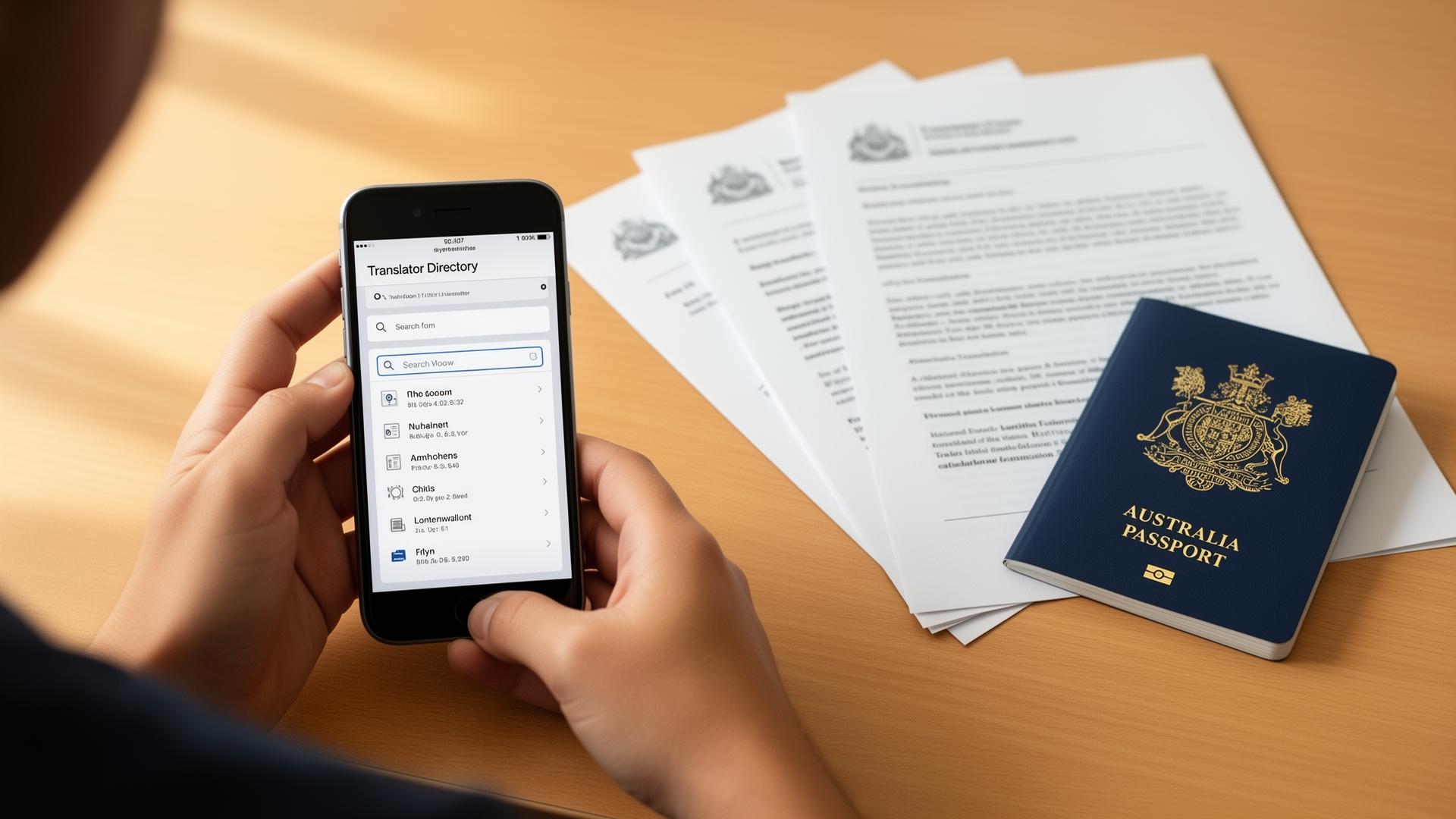
Every week people across Australia pay for translations that turn out to be worthless. The document looks official, the email reply sounds professional, the invoice arrives within minutes. Then a visa officer or a university admissions team checks the credential and the whole submission falls over. Knowing how to verify a translator before you hand over your documents saves money, protects your timeline, and keeps your application moving. This guide walks through the exact checks used by document translation services in Australia and the warning signs that real practitioners spot in seconds.
The 5 second check
Ask for the translator's Certified Practitioner Number. Search that number on the NAATI Online Directory. If the name, language pair and certification status all match, the translator is real. If anything is missing or the page returns no result, stop and ask questions before you pay.
Why Translator Verification Matters in Australia
NAATI is the national standards body that certifies translators and interpreters in Australia. When a federal department, court, university or insurer asks for a certified translation, they expect that work to come from a practitioner whose credential can be confirmed against an official register. A document without a valid stamp and signature is treated as an unsigned letter.
Scam translation services target people in stressful situations. New migrants finalising visa paperwork, students racing university deadlines, families settling estates after a death overseas. The pressure to act quickly is exactly what fraudulent operators rely on. According to the Australian Competition and Consumer Commission, Australians lost more than 2.7 billion dollars to scams in a recent reporting year, with online services and impersonation among the most common categories. You can review current trends on the ACCC Scamwatch statistics page.
The Official Way to Verify a NAATI Translator
NAATI runs a free public lookup tool called the Online Directory. Anyone can use it without an account. It is the only authoritative source of truth for whether a translator currently holds certification.
- Open the official directory at naati.com.au/online-directory.
- Enter the translator's name, their Certified Practitioner Number, or both.
- Select the source and target language pair, for example Spanish into English.
- Filter by certification type, usually Certified Translator for written documents.
- Confirm the listing matches the credentials shown on your translation.
A genuine result page lists the practitioner's name, credential, languages, and the year the certification is valid until. If the directory returns nothing, the translator is not currently certified for that language pair.
What a Real NAATI Stamp Looks Like
Every certified translation produced in Australia carries a standard set of elements. Miss any of these and the document is unlikely to be accepted by federal or state authorities.
| Element | What to look for |
|---|---|
| Translator name | Full legal name as registered with NAATI. |
| CPN | A multi digit Certified Practitioner Number unique to the translator. |
| Language pair | Direction shown clearly, for example Arabic into English. |
| Certification statement | A signed declaration that the translation is true and accurate. |
| Date of translation | The date the translation was produced and stamped. |
| QR code or digital signature | Modern certifications include a scannable code linking back to a verifiable record. |
Red Flags That Point to a Fake Service
Scams in this space tend to repeat the same patterns. Spotting two or more of these signals at once is usually enough reason to walk away.
- No CPN listed on the website, the invoice, or the translated document.
- A stamp image that looks pixelated, generic, or pasted on top of the text.
- Pricing that sits far below the established market range without explanation.
- A free email address such as Gmail or Outlook used as the only business contact.
- Refusal to share the translator's name before payment.
- Reviews that all appear within the same week or read like marketing copy.
Legitimate vs Suspicious Behaviour at a Glance
| Signal | Legitimate provider | Suspicious provider |
|---|---|---|
| Practitioner detail | Names the translator and their CPN. | Hides the translator entirely. |
| Business identity | Registered ABN, physical address, business email. | No company details, free email only. |
| Sample stamps | Provides a sample certified page on request. | Refuses or sends a blurry image. |
| Acceptance commentary | Explains acceptance in measured terms. | Promises 100 percent guarantees with no caveats. |
| Payment | Secure card processing or bank transfer to a registered business. | Crypto, gift cards, or transfer to a personal account. |
How Trusted Agencies Protect You
Working with an established agency removes a lot of the verification burden because the agency has already vetted the practitioner panel. Reputable providers list the translator on the final document, share sample stamps openly, and hold real business details. Our own panel of NAATI certified translation services works this way, with each translation produced by a named practitioner whose credential can be checked at any time.
Pricing is another useful indicator. Standard certified extract translations sit at $44.95 + Service Fee at the lower end of the legitimate market. Anything dramatically cheaper usually means the work is uncertified, machine generated, or simply will not arrive. If you want a deeper view of where genuine certification fits versus standard translation, this breakdown of NAATI certified versus standard translation is worth a read.
Questions to Ask Before You Pay
- Who is the certified translator and what is their CPN?
- Is the translator certified for my exact language direction?
- Will the final document carry a stamp, signature, and date?
- Can I see a redacted sample of a previous certified page?
- What is your registered business name and ABN?
Honest providers welcome these questions. Anyone who deflects or stalls is telling you something important.
What to Do if You Already Paid a Scammer
Act quickly. Contact your bank or card issuer to attempt a chargeback while the transaction is still recent. Save every email, invoice, and the translated file as evidence. Report the incident to ACCC Scamwatch and notify NAATI so they can investigate misuse of certification marks. If your visa or enrolment deadline is close, commission a fresh translation from a verified provider straight away rather than waiting for a refund that may never arrive.
Final Verification Checklist
Before any document leaves your inbox, run through this short list. Most of the checks take less than a minute and they remove the bulk of the risk.
- Translator name and CPN confirmed on the NAATI Online Directory.
- Language pair and certification level match your document.
- Provider has a registered business identity and clear contact channels.
- Pricing sits within the recognised market range for certified work.
- No red flags from the list above remain unanswered.
Treat verification as part of the cost of doing things properly. A short check today saves weeks of rework with Home Affairs, a university registrar, or a state authority later. For a visual reference on what compliant work looks like in practice, the companion guide before and after a NAATI compliant translation places weak and strong versions of the same documents side by side.
About the Author
Daniel Cooper — Daniel Cooper is a translation industry writer at Ethnic Translations covering NAATI certification, document compliance and consumer protection guidance for Australian readers.