

Why Translation Rules in Australia Are Tougher Than in Europe
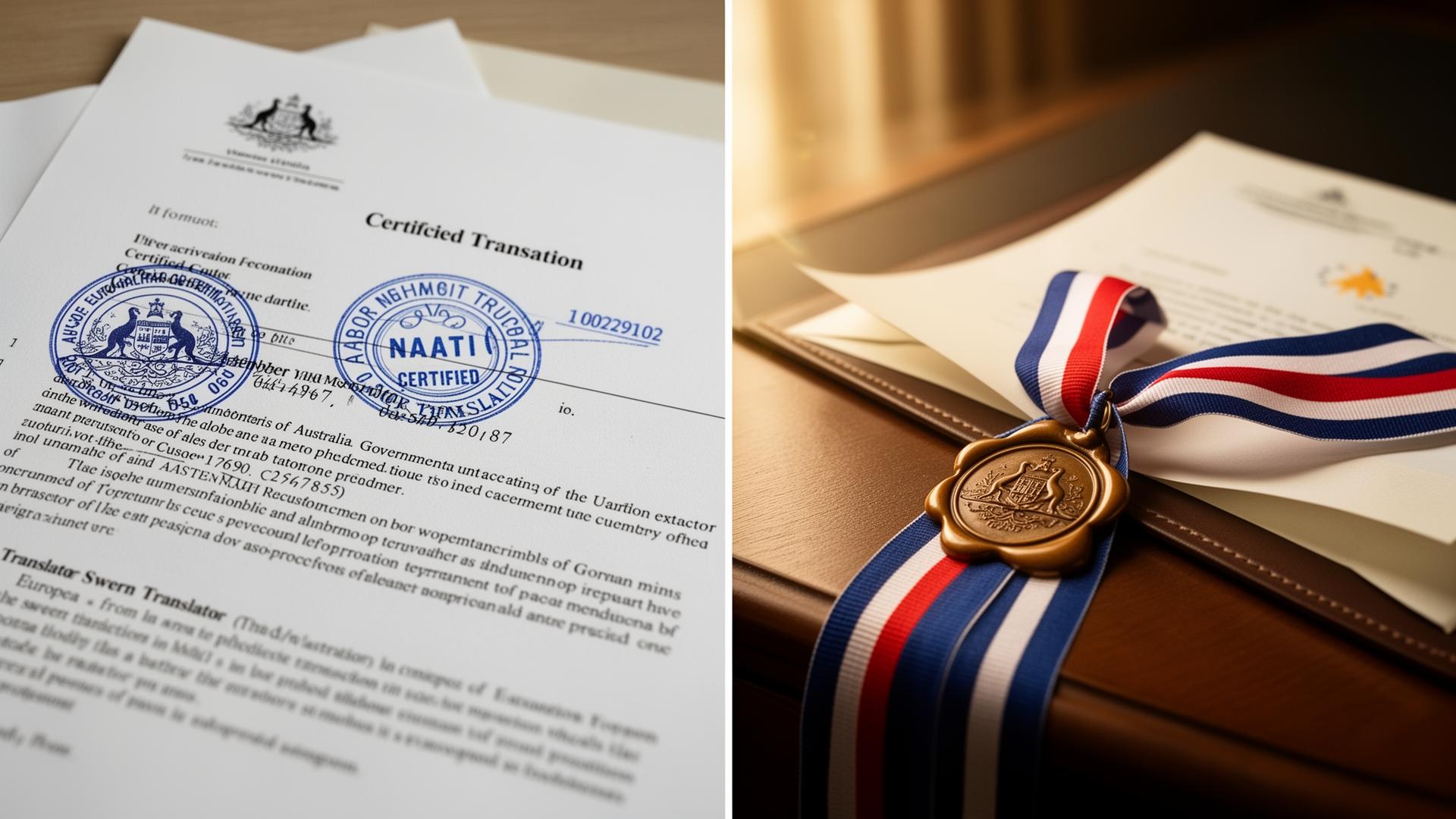
A sworn translation from Berlin lands on a desk in Brisbane on a Tuesday morning. By Tuesday afternoon, the file sits in a returns tray with a short note asking for a NAATI version. The applicant did everything right by German rules. The translator was on the official court list. The page carried a wax style stamp, a signature and an oath. None of that survived the Australian counter check. This pattern repeats every week across visa centres, skills assessors and university admissions teams. The fix is simple once you see the cause. The rest of this guide walks through what Australia checks, what Europe usually skips, and how to lodge the right page the first time using certified translation services Australia teams trust at the lodgement stage.
Five Checks Australia Runs That Europe Often Skips
Australian receiving officers run a short list of physical checks on every translated page. These are easy to verify and easy to fail. A European translation that satisfies a Madrid court can miss several of them at once.
- Individual credential. The translator must hold a current Certified Practitioner status with NAATI, tied to a personal number.
- Live registration. The number must be active on the day the page is signed. Lapsed credentials void the page.
- Per page signature. Every page carries a fresh signature, not a single cover sheet.
- Statement of accuracy. A short declaration tying the translator to the source document and the date of translation.
- Three year recertification. NAATI requires evidence of ongoing practice and study, which keeps the register clean.
Side by Side: Two Models on One Page
| Check point | Australia | Most of Europe |
|---|---|---|
| Who certifies the page | A NAATI Certified Practitioner | A court appointed sworn translator |
| Credential scope | National, one register | Local court or regional register |
| Validity period | Three years, then recertify | Often open ended once sworn |
| Cross border acceptance | Widely accepted in NZ, UK and Canada | Varies by member state |
| Format on the page | Signed statement plus CPN on every page | Seal, ribbon or wax, cover page common |
| Typical one page turnaround | From one hour for common certificates | Three to ten business days |
How European Translations Fail at the Counter
The rejection pattern is consistent. A European page arrives with a beautiful seal and a signed oath. The receiving officer scans for a NAATI Certified Practitioner Number, finds nothing, and stops there. The file is parked until a compliant version comes in. Skills assessors apply the same rule. Universities apply the same rule. Banks and superannuation funds apply a softer version of the rule for proof of identity, yet they still flag pages that lack a recognised Australian credential. You can confirm any translator on the public NAATI online directory before you pay. Three failure modes show up most often. The page carries a stamp but no statement. The translator signed once on a cover sheet rather than on every page. The translator was registered five years ago in another country and never moved to the Australian system.
Cost of Doing It Twice
Replacing a rejected European translation costs more than money. It costs application weeks. The table below gives a realistic picture of what a NAATI version runs in Australia for a single page of official document translation, using the standard Ethnic Translations price points.
| Service tier | Starting price per page | Typical turnaround |
|---|---|---|
| Self service extract translation | $44.95 + Service Fee | From one hour |
| Extract translation | $59.95 | One business day |
| Full translation | $69.95 | One to two business days |
Where the Gap Hits Hardest
Migration files. Partner visas, skilled visas and parent visas carry dense personal paperwork. A single non compliant page can delay a decision by months. Most migrants need a fresh birth certificate translation for the lodgement pack and for the children if they apply together.
University enrolments. Admissions teams check transcripts against the same national rule. A sworn translation from Athens or Lisbon does not clear the standard. The course start date does not bend for paperwork.
Courts and notarial matters. Family law, probate and property transfers all sit under tight evidentiary rules. Legal document translation services in Australia feed straight into court filings, so the credential question gets asked early and answered in writing.
Three numbers worth remembering
Australia runs one national register of certified practitioners. Europe runs more than twenty country level registers with no shared standard. A NAATI Certified Practitioner must recertify every three years to stay on that register.
Checklist for Anyone Arriving From Europe
- List every non English document the receiving authority will see.
- Scan each one in colour at full resolution, both sides.
- Pick the right service tier. Extract works for most personal certificates. Full works for contracts, judgments and academic transcripts.
- Use the NAATI directory or your provider record to verify a NAATI certified translator before payment.
- Order in one batch so the certification dates line up across the pack.
- Keep the European original. Some authorities ask for both files side by side.
- Save the digital PDF. Most Australian lodgements accept it without a paper copy.
Read the Rule First
The Department of Home Affairs publishes a short, plain text page on what counts as a valid translation for a visa file. Reading it once saves arguments later. You can review the official wording on the Home Affairs translating documents page. The rule is short. Documents translated inside Australia must be done by a translator accredited by NAATI. Everything in this guide flows from that single line.
Order with the right credential the first time. The cost is small. The time saved is measured in weeks, sometimes months.
About the Author
Hannah Whitfield — Hannah Whitfield writes on cross border paperwork for Australian migrants. She tracks how European translations land at Home Affairs and skills assessors every week.