

How to Enrol Your Child in an Australian School When Their Documents Are in Another Language
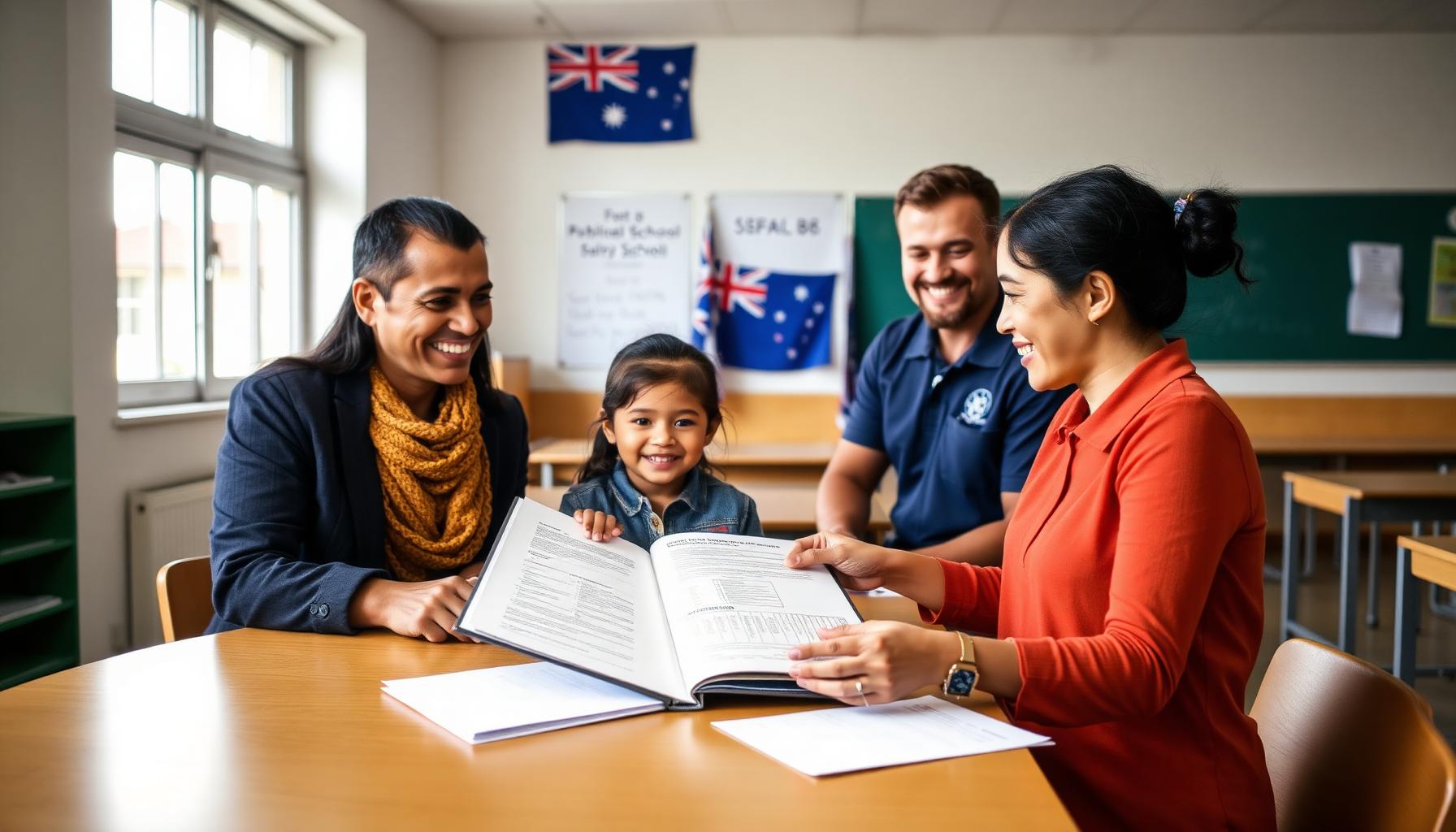
Settling a family in Australia is a season of paperwork, and the school enrolment folder is often the thickest of them all. When the birth certificate is in Arabic, the school reports are written in Mandarin and the immunisation record was issued in Tagalog, the Australian school office cannot process the file on its own. The fastest route from arrival to a uniform on a Monday morning is a small set of certified translation services Australia wide families rely on every day. This guide walks through what schools actually require, why family translations get refused and the order in which to handle each document.
A quick picture of multilingual Australia
- Around 30.7 percent of Australian residents were born overseas, the highest share since the late 1800s.
- About 25.5 percent of people at home speak a language other than English with their family.
- Roughly 4.2 million residents arrived in Australia within the last two decades and many bring school aged children.
Why Australian Schools Insist on a Certified Translation
A school registrar is not allowed to guess. The year level a child enters, the English language support they receive and the subject prerequisites they meet all depend on documents the office can read with full confidence. A NAATI accredited translation gives the school a legally recognised English version of the original, signed and stamped by a practitioner whose registration the department can verify on the public directory. Anything less, including a parent translation or a friend who happens to speak both languages, sits outside the rules published by every state education authority and by the Department of Home Affairs guidance used during visa lodgement.
Schools also keep the translated copies on file for years. If your child later moves interstate or applies for a selective entry test, the same translations follow the enrolment record. A sloppy or inconsistent translation creates problems long after the first day of school, which is why the document quality matters as much as the speed of delivery.
The Five Documents Schools Always Request
Every state writes its enrolment policy slightly differently, but five documents appear on almost every checklist. Getting all five translated at once is faster and cheaper than feeding them in piecemeal as the school asks. The child's birth certificate translation sits at the top of the list because it confirms legal name, date of birth and parentage in one document.
Table 1: What each state and territory expects
| Document | NSW & ACT | VIC & TAS | QLD, WA, SA & NT |
|---|---|---|---|
| Birth certificate | Required | Required | Required |
| Passport and visa page | Required | Required | Required |
| Immunisation record | Required | Required | Required |
| Last two school reports | Required for year 1 upward | Required for year 1 upward | Required for year 1 upward |
| Proof of address | Catchment dependent | Catchment dependent | Catchment dependent |
| Custody or guardianship orders | If applicable | If applicable | If applicable |
Why Family Translations Get Refused
A parent who reads both languages fluently is still treated as an interested party. The school is looking for an independent third party who is qualified to attest to the accuracy of the document. Even a perfectly accurate family translation gets refused at the front desk because the certification block, the practitioner number and the formal accuracy statement are absent. The Australian Bureau of Statistics cultural diversity figures show that more than one in four households speaks a non English language at home, so schools receive these requests constantly and they apply the rule uniformly.
The other common refusal is a translation done overseas before arrival. Many countries certify translations differently, and a stamp from a notary in your home country has no standing inside an Australian school office. The work must come from a NAATI practitioner registered in Australia, as set out in the Home Affairs guidance on translated documents which education departments mirror in their own enrolment policies.
Step by Step: From Arrival to First Day of Class
The smoothest enrolments follow a clear sequence. Skipping a step, especially the name spelling cross check, is the single biggest cause of delay in the school office.
- Gather every original document, including the back page of each one
- Confirm the catchment or independent school and download their enrolment list
- Order NAATI certified translations for every foreign language document at once
- Verify the child's name spelling matches across passport, birth certificate and reports
- Lodge the originals plus the translations with the school and request a receipt
- Meet the deputy principal to confirm year level placement based on the translated reports
Timing Around the School Calendar
Australia runs a four term school year that starts in late January. The intake rush hits school offices in November, December and again in mid January, when waiting times stretch across the whole administration team. Ordering certified translations before the school holidays gives the family a complete pack to drop in on the first administration day of term, which is usually a week before classes begin. Mid year arrivals face a quieter office, but the same document list applies.
Table 2: Translation turnaround against enrolment deadlines
| Service tier | Typical price | Turnaround | Best for |
|---|---|---|---|
| Self service extract | $44.95 + Service Fee | From 1 hour | Birth certificate and immunisation record |
| Extract translation | $59.95 | 1 business day | Single page school reports |
| Full translation | $69.95 | 1 to 2 business days | Multi page transcripts and custody orders |
Common Questions Parents Ask at the School Office
Three questions come up at almost every enrolment meeting. The first is whether a child can start school while translations are still in progress. Most schools allow a provisional start for a maximum of two weeks if the family can show proof that the translations are underway. The second is whether the child must repeat a school year. The deputy principal uses the translated reports alongside an English language assessment to decide, and most children stay in their age appropriate year level. The third is whether the family must pay any school fee before enrolment. Public schools charge a voluntary contribution rather than a fee, while independent and Catholic schools publish their own fee schedule on the website.
Families who have already navigated the visa process tend to be familiar with the broader translation landscape. If you want a wider view of where families slip up during their first year in Australia, our piece on common document mistakes families make during Australian migration sits alongside this guide and covers the visa side of the same paper trail.
A Calm Start Beats a Rushed One
The school office is a quieter place than the immigration counter, and the staff have time to explain the document list to a new family. The most useful thing a parent can do before that first meeting is to arrive with a complete folder of NAATI certified translations clipped to the originals. The child walks into a classroom in the right year level, the office files a clean enrolment record and the family closes one of the most stressful chapters of the move. That is the quiet outcome a complete document pack delivers, and it sets the tone for every school meeting that follows.
Order translations during the school holidays and lodge the pack on the first administration day of term to avoid the late January queue.

Priya Mahajan
Family Services Coordinator at Ethnic Translations, guiding newly arrived parents through certified document workflows for school, university and visa lodgement across Australia.